
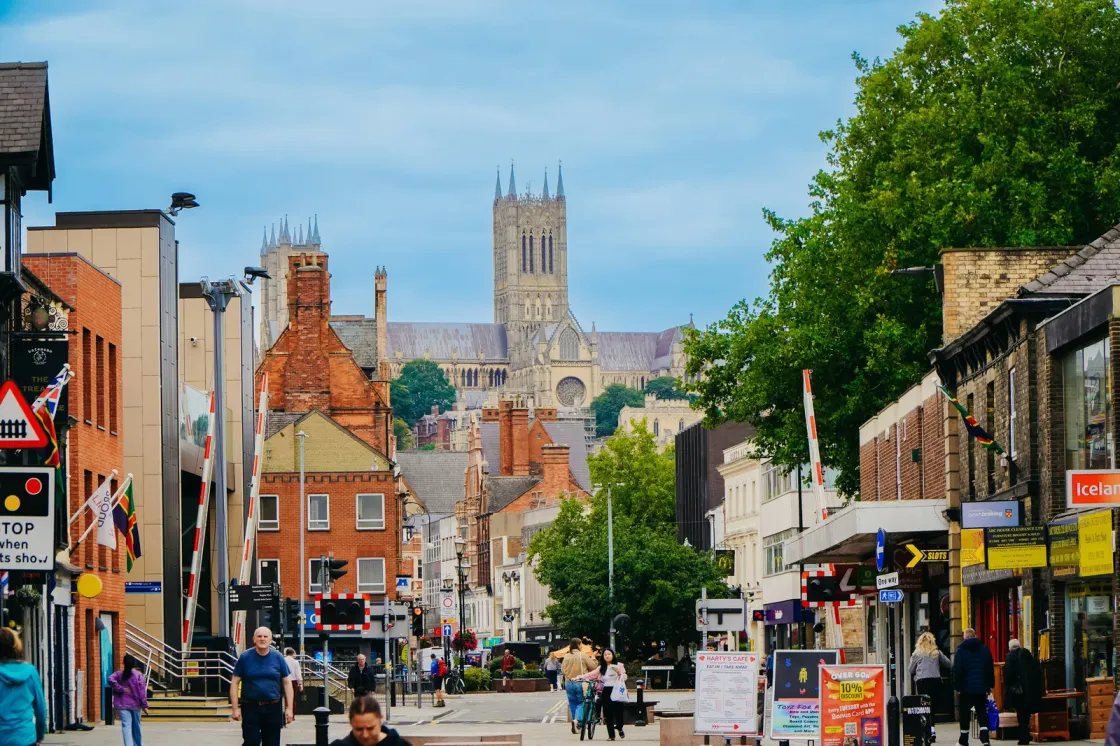
If you are weighing up an offer or about to arrive for your first term, this guide is for you. It is not about which street to live on; our area guides cover that. It is about the scale of the place, how you get around, what fills your weekends and how to get yourself set up when you arrive.
most of the places you will go.
A city on a human scale
Lincoln is a small city, and that is its quietest advantage. Almost everything a student needs sits within a half hour walk: both universities, the shops, the waterfront, the parks and the railway station. You can live here comfortably without a car, and most students do. It is big enough to have everything, and small enough that you stop needing a map within a fortnight.
- Half hour walk end to end
- Two universities
- No car needed
- Station in the centre
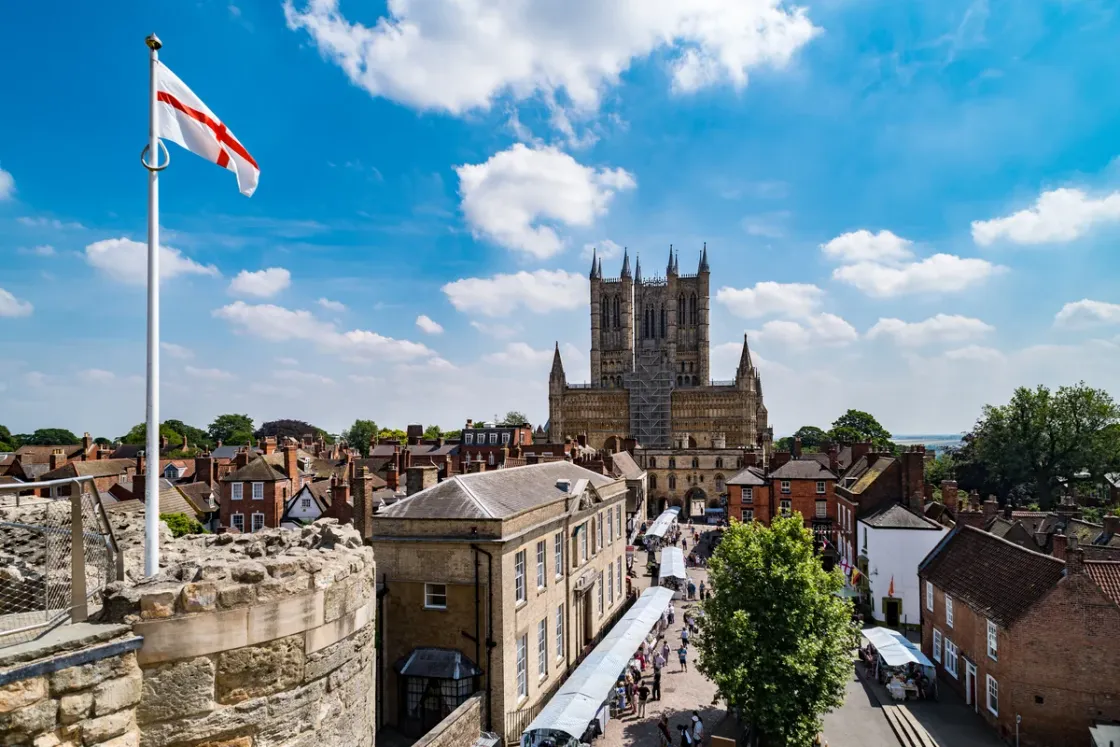
to stand and look at.
Two thousand years, and none of it ticketed
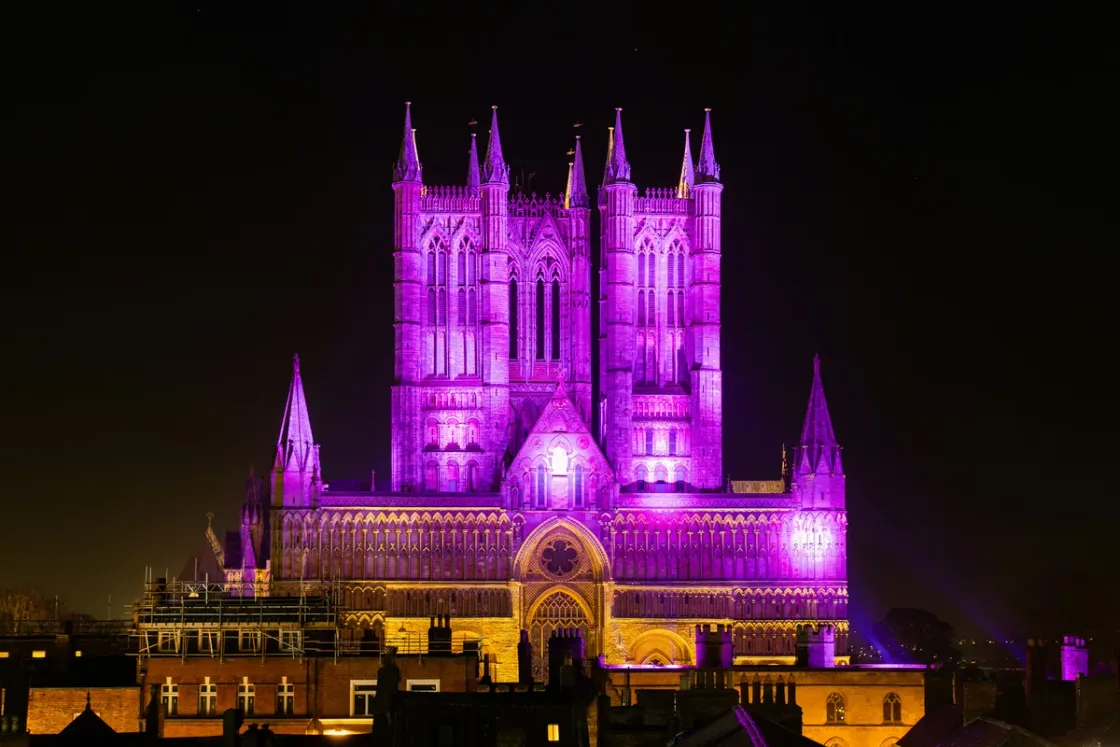
Lincoln was a Roman city, and it wears its history openly. The Cathedral, for centuries among the tallest buildings on earth, still dominates the skyline from miles away, and the Castle beside it holds one of the few surviving original copies of Magna Carta. Steep Hill, the cobbled climb connecting the two halves of the city, is regularly named among the most picturesque streets in Britain. Even if history is not your subject it becomes the backdrop to your daily life, and a free one: walking the Cathedral Quarter costs nothing.
- Roman city
- Magna Carta in the Castle
- Steep Hill
- Free to wander
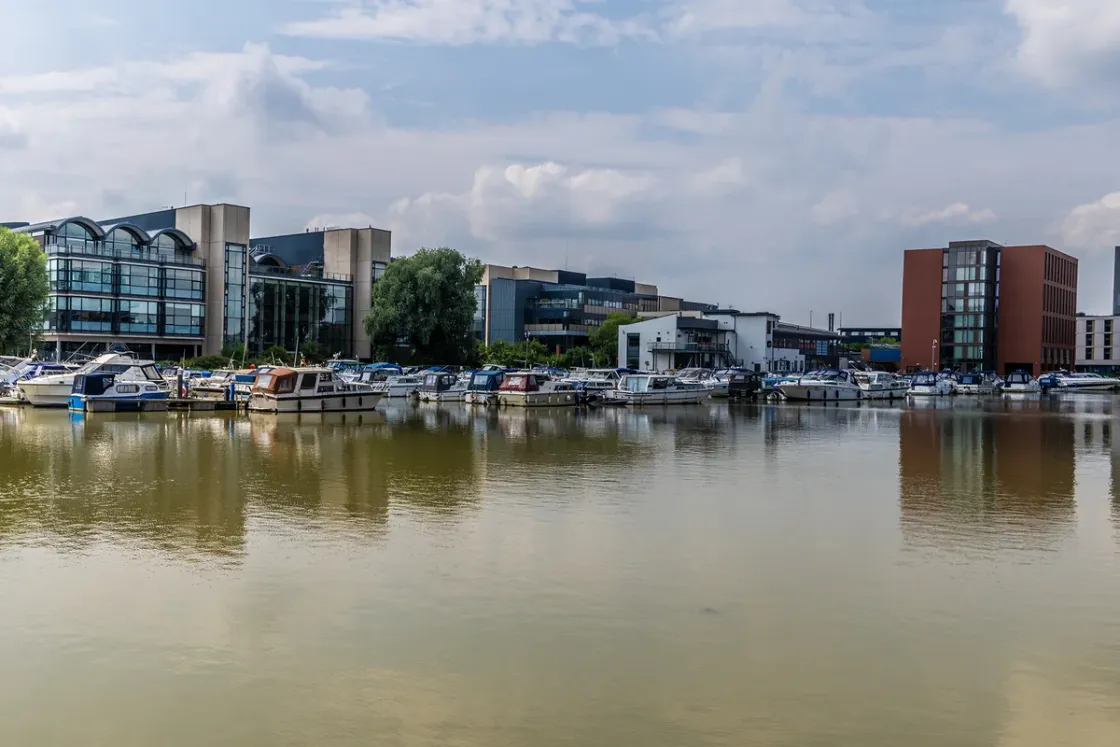
meets the water.
Commons, parks and the Brayford
For a compact city, Lincoln is unusually generous with open space. The West Common and South Common are vast stretches of grassland where horses still graze, minutes from the centre. The Arboretum offers a more manicured Victorian park, and the Brayford Pool, claimed as one of England’s oldest inland harbours, gives the city a waterfront lined with restaurants and walking routes along the River Witham and the Fossdyke. When term gets intense, somewhere quiet to walk is never more than ten minutes away.
- Horses on the Commons
- The Arboretum
- Waterfront walks
- Never more than 10 min away

a short walk from campus.
Feet first, trains for the rest
Within the city your feet are usually the fastest option, with local buses covering the longer pulls uphill. Cycling is popular on the flat downhill side. For escaping, Lincoln’s railway station sits in the city centre, with direct services to cities including Nottingham, Sheffield and Leeds, and fast connections to London via the East Coast Main Line at Newark. A 16 to 25 Railcard pays for itself quickly if you head home a few times a term. Coach services and the A46 and A15 road links cover the rest.
- Walkable city
- Buses uphill
- Direct trains north
- Railcard pays for itself
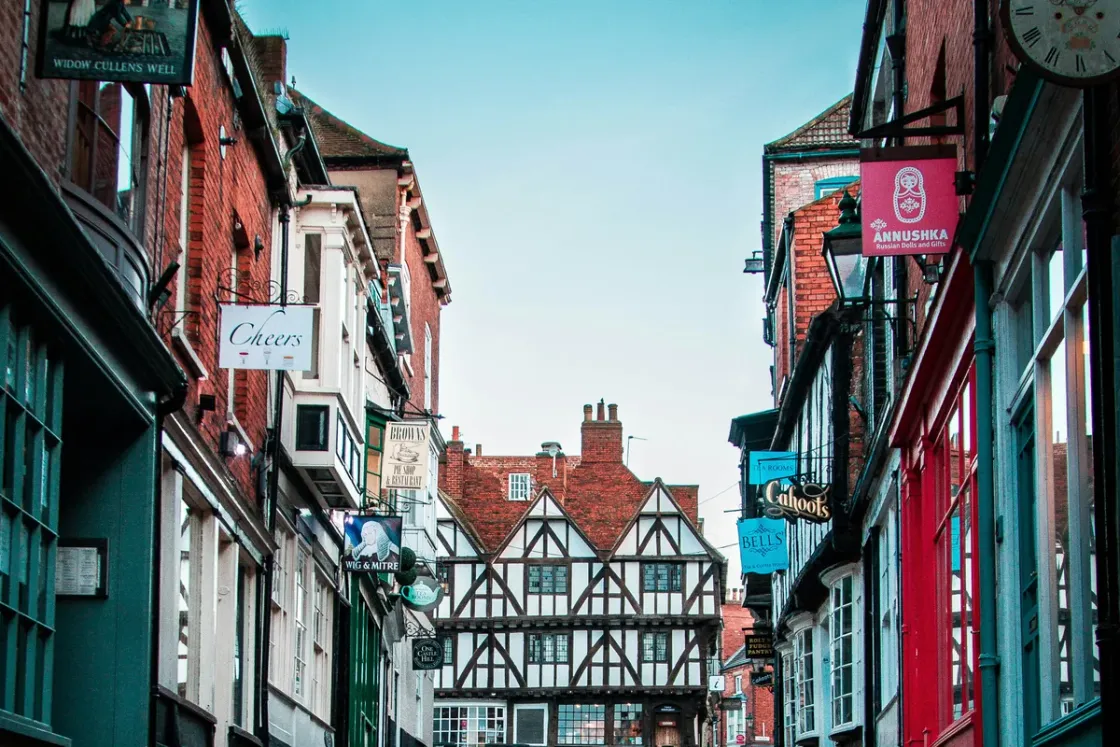
most of the way up the hill.
Three places it all happens
Lincoln’s social life clusters in three places: the waterfront around the Brayford, the High Street running south from it, and the independent cafes and pubs of the Cathedral Quarter uphill. Between them you get the full range, from chain restaurants and clubs to centuries old pubs and independent coffee shops. The student population is large enough that venues cater to it year round, with student nights and discounts standard across the city. Rather than name names, which change, our advice is simple: follow the students’ unions, both of which run their own venues and events, and ask second years.
- The waterfront
- The High Street
- The Cathedral Quarter
- Student nights citywide

which it wears rather well.
The city has an annual rhythm
Autumn brings the energy of two universities starting at once. Winter turns the Cathedral Quarter properly festive, with seasonal markets and events across the city. Spring opens up the commons and the waterfront, and summer, when many students head home, leaves a quieter, warmer city for those who stay, with festivals and outdoor events filling the calendar. Whatever the season, check the universities’ and the city’s event listings; there is more on than most newcomers expect.
- Autumn: two intakes at once
- Winter: markets and lights
- Spring: the commons open up
- Summer: quieter, warmer
Where students actually get hired
Lincoln’s economy suits student work well. Hospitality, retail and tourism employ large numbers of students across the city centre, waterfront and Cathedral Quarter, and the visitor economy means weekend and seasonal work is reliably available. Both universities also employ students on campus and run job shops advertising local part-time roles, which is the best first place to look. As a rule of thumb, keep term time work to a level that protects your studies, and if you hold a visa, check the working hours it allows.
- Hospitality and retail
- Visitor economy
- Campus job shops first
- Check your visa hours
Six things worth doing in week one
- Register with a GP as soon as you arrive, not when you first get ill. Both universities point new students to practices used to registering them in bulk.
- Register with an NHS dentist early too. Waiting lists are real, and toothache does not schedule itself around deadlines.
- Sort your council tax exemption certificate through your university if you live in a student household.
- Get contents insurance, and check whether a parent's home policy already covers you.
- Register to vote at your term time address. Students can be registered at home and at university, though you can only vote once in any election.
- Learn the bus routes up the hill before winter. You will thank yourself in January.
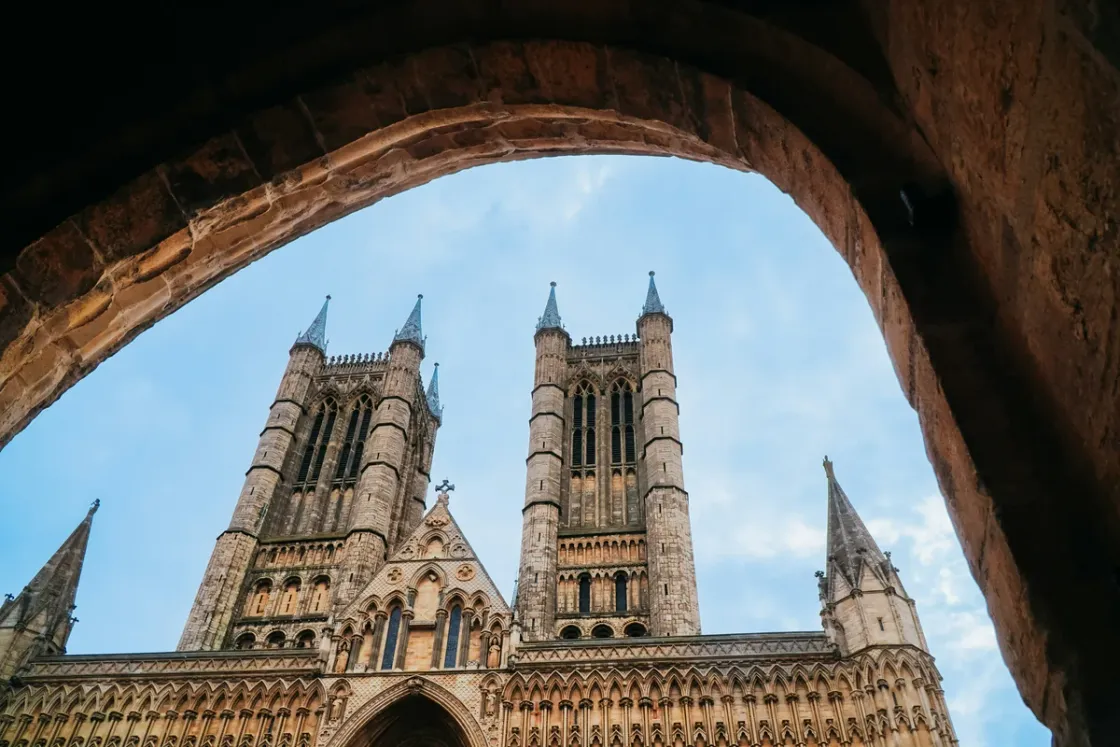
Lincoln is not a sprawling metropolis, and it does not pretend to be. What it offers instead is a walkable, historic, affordable city where two universities sit minutes apart, the countryside starts at the edge of the commons, and a cathedral built nine centuries ago watches you walk to your lectures. Most students arrive knowing little about it and leave oddly attached to it. Come and see it before you decide; the view from the top of Steep Hill does the rest.